Inventory is at multi-year highs, prices are falling, and rates have dropped 275 basis points. So where are all the buyers? A look at the psychology, economics, and math behind the paradox.
I have been selling real estate in Vancouver for 20 years, and I cannot remember the last time conditions looked this good for buyers while so few of them showed up.
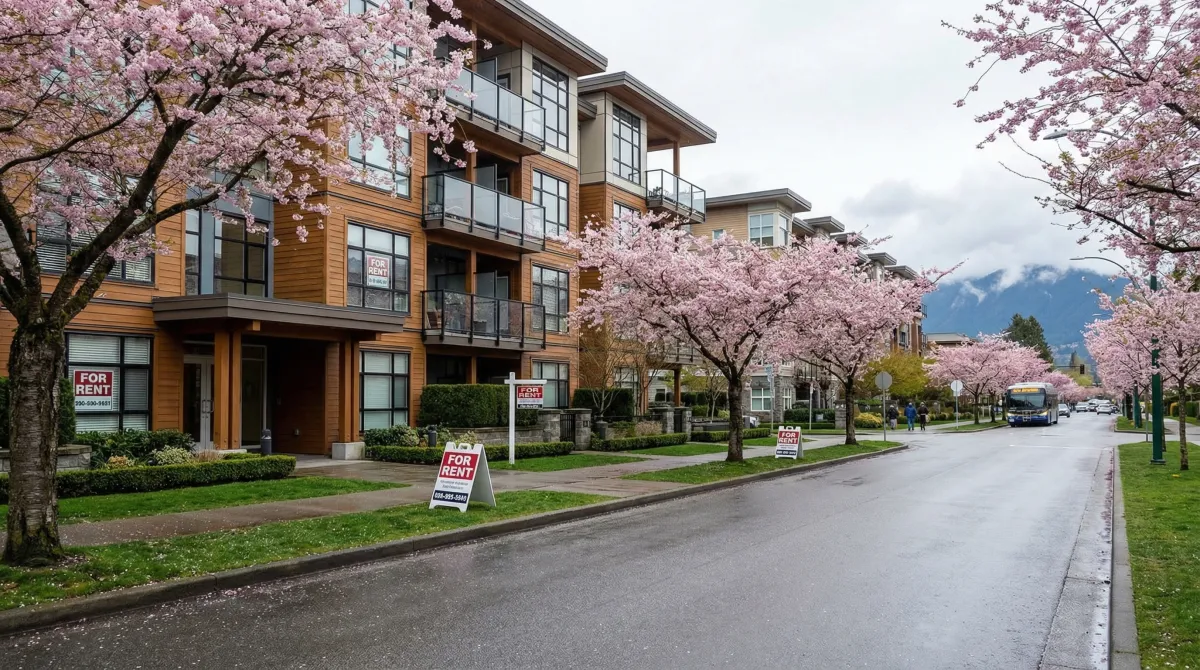
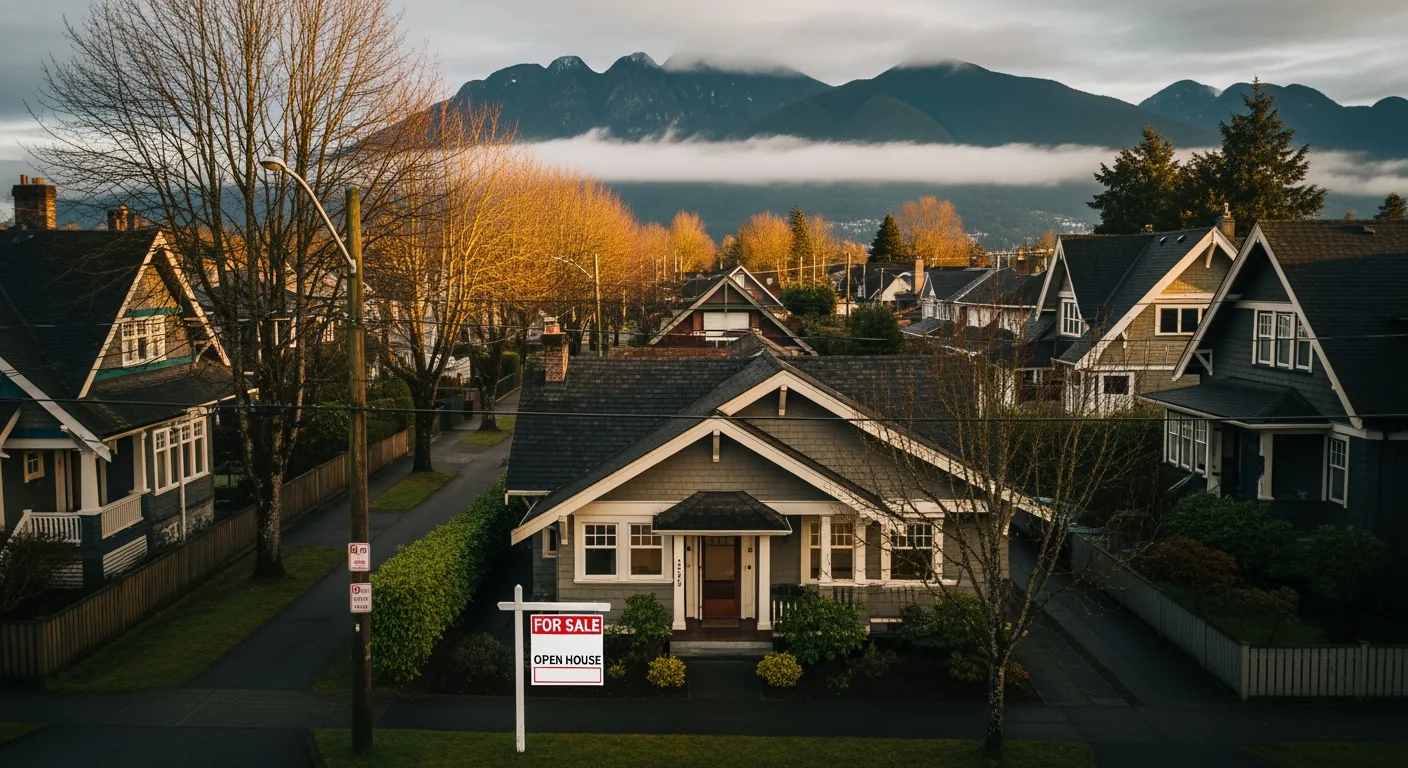
Inventory is the highest it has been in years. Prices are down nearly 7% year-over-year. The Bank of Canada has cut rates 275 basis points since June 2024. Open houses that used to draw a dozen couples are getting two or three. Offers that would have sparked bidding wars in 2022 are sitting unanswered.
On paper, this is the buyer’s market people have been asking for since the pandemic. In practice, almost nobody is buying. What is going on?
The Numbers Are Stark
Greater Vancouver Realtors’ February 2026 report lays out the gap between supply and demand in plain terms:
| Metric | February 2026 | Year-over-Year | vs. 10-Year Average |
|---|---|---|---|
| Residential sales | 1,648 | -9.8% | -28.7% |
| Active listings | 13,545 | +6.3% | +37% |
| Sales-to-active ratio | 12.6% | — | — |
| Composite benchmark | $1,100,300 | -6.8% | — |
Source: GVR Monthly Market Report, February 2026
Sales running nearly 29% below the 10-year average while listings sit 37% above it. That is not a soft patch. That is a market where buyers have collectively decided to stay home.
Andrew Lis, GVR’s chief economist, was blunt about it: “With each passing data point, the pace of sales running well-below long-term averages are no longer a surprise — it’s become the new norm.”
The detached market is even quieter. The sales-to-active ratio for detached homes fell to 9%, deep in buyer’s market territory. The detached benchmark dropped to $1,835,900, down 8.8% from a year ago. Apartments came in at $708,200 (-6.8%) and townhouses at $1,046,100 (-5.6%).
The Fraser Valley is telling the same story. FVREB recorded 843 sales in February, 38% below their 10-year average.
The Tariff Cloud
If you want a single word for why buyers are frozen, it is uncertainty. And the biggest source of uncertainty right now is trade.
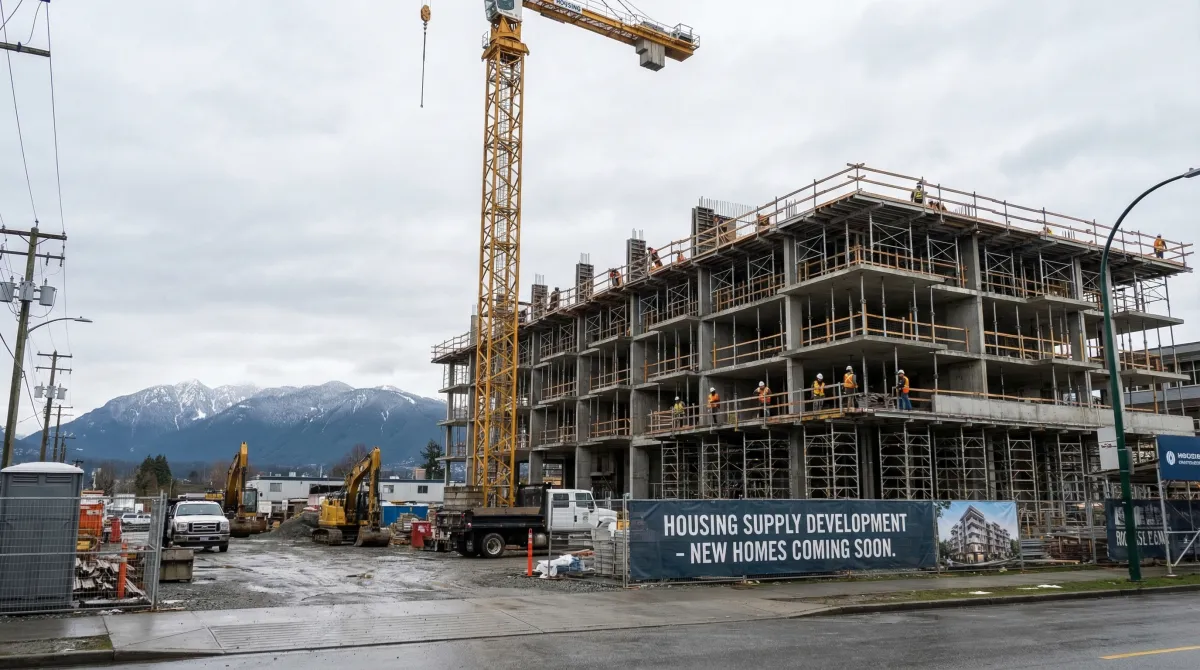
The U.S.-Canada tariff situation has been lurching from bad to worse since early 2025. Steel and aluminum tariffs pushed construction costs higher. Broader trade threats have rattled business confidence across the country. Algoma Steel announced over 1,000 layoffs tied directly to tariff impacts.
It is not that tariffs are directly pricing people out of homes. It is the second-order effects: job security fears, business investment freezing, the general sense that the economy could tip either way. CMHC’s latest housing outlook used the word “subdued” to describe the market and flagged recession as a real possibility.
BC’s unemployment rate sat at 6.1% in January 2026 according to Statistics Canada’s Labour Force Survey, and TD Economics is forecasting just 0.7% GDP growth for 2026 nationally. Those are not catastrophic numbers, but they are not the kind of numbers that make people feel confident about taking on a $700,000 mortgage.
When your job feels uncertain and the economic news is grim, buying a home — the biggest financial decision most people make — drops to the bottom of the priority list. Even if the math works.
Affordability Is Still Broken
Here is the uncomfortable truth that gets lost in the “buyer’s market” narrative: prices have dropped, but the math still does not work for most people.
According to Narcity’s analysis of income requirements for major Canadian markets, buying a detached home in Vancouver requires a household income of roughly $314,000. A condo requires about $169,000.
The median household income in Metro Vancouver is somewhere around $90,000 to $100,000.
That is not a gap you close with a 7% price drop. The composite benchmark falling from $1,180,000 to $1,100,300 shaves about $80,000 off the price. That helps at the margins — maybe knocks $300 off a monthly payment — but it does not suddenly make a $1.1 million home accessible to a family earning $100,000.
Rate cuts help more than price drops, and we have had plenty of those. The Bank of Canada held at 2.25% on January 28, with the next decision coming March 18. But even at these lower rates, the qualifying bar (stress test at rate + 2%) keeps a lot of would-be buyers on the sideline.
I talk to people every week who want to buy. They have been saving, they have been watching the market, they are ready emotionally. But when the mortgage broker runs the numbers, they are $50,000 to $100,000 short on qualification. A buyer’s market does not help you if you cannot get the financing.
The Psychology of Waiting
Then there is the group that can buy but will not. Not yet.
This is the most frustrating part of a declining market, and I say that as someone who has watched it play out three or four times over my career. When prices are falling, every buyer becomes a speculator. Not intentionally — nobody sits down and says “I am going to time the bottom.” But the thought process goes like this:
Prices dropped 7% last year. If they drop another 5% this year, I save $55,000 by waiting. Why would I buy now?
The logic is seductive and sometimes even correct. Royal LePage is forecasting detached prices to drop another 5% and condos another 3% in 2026. If those numbers land, a buyer who waits until December could genuinely save money.
But the catch — and I have watched this play out enough times to feel strongly about it — is that nobody rings a bell at the bottom. By the time you are confident prices have stopped falling, you are six months past the trough and competing with every other buyer who reached the same conclusion at the same time.
Don Kottick, RE/MAX Canada’s CEO, made an observation that stuck with me: “Canadians have just become comfortable with the uncertainty.” I think that is exactly right. People have adjusted to the idea that the market is soft and prices are falling, and that adjustment has removed the urgency. There is no fear of missing out. There is no lineup at the open house. There is no deadline.
And without urgency, people wait.
What Prepared Buyers Should Know
I am not going to pretend I know where prices will be in December. Nobody does. But I can tell you what the current market looks like from the inside, from someone writing offers and negotiating deals every week.
Competition is genuinely thin. I have had clients submit the only offer on properties that would have drawn five or six in 2022. That changes the entire negotiation dynamic. Sellers are accepting conditions — financing, inspection, even subject-to-sale clauses — that were non-starters two years ago. If you have been reading our buyer’s guide, you know how much that leverage matters.
Price reductions are everywhere. Homes that were listed in January at ambitious prices are being reduced 5-8% heading into spring. Sellers who need to move are realistic about where the market is. That gap between asking and selling price is the widest I have seen since 2019.
You are negotiating against motivated sellers, not against other buyers. This is the part that is hard to quantify but easy to feel. The power balance has shifted. If a home has been sitting for 60 days, the seller is not in a strong position. You can ask for things — closing date flexibility, appliance credits, price adjustments — that would have been laughed off in a hot market.
The flip side is real too. If prices drop further, you could have bought for less by waiting. That is a genuine risk, and I am not going to minimize it. But the opportunity cost of waiting has its own math: rent payments, lost equity building, the possibility that rates tick back up or that a policy change shifts the market.
I wrote about this dynamic in more detail in our analysis of Vancouver’s shift to a buyer-friendly market. The conditions I described there have only deepened since February.
For a broader look at how tariffs and trade uncertainty are affecting Vancouver housing, including construction cost implications, that piece breaks it down.
And if you are still sorting out how interest rate changes affect your buying power, it is worth understanding before you commit to waiting.
Key Takeaways
- February 2026 sales were 28.7% below the 10-year average despite buyer-friendly conditions — the paradox is real and deepening.
- Trade uncertainty, job fears, and a “subdued” economic outlook have removed buyer urgency even as prices and rates drop.
- Affordability remains the core barrier: a detached home requires $314,000 household income, roughly triple the metro median.
- Buyers who can qualify face historically low competition, real negotiating power, and sellers willing to make concessions — but timing the bottom is a gamble nobody wins consistently.
Frequently Asked Questions
Is Vancouver in a buyer’s market in 2026?
Yes. The sales-to-active listings ratio across Metro Vancouver was 12.6% in February 2026, with detached homes at just 9%. A ratio below 12% is generally considered buyer’s market territory. Buyers have more inventory to choose from, less competition, and more negotiating leverage than at any point since before the pandemic.
Why aren’t buyers buying in Vancouver despite lower prices?
Three main factors: trade and economic uncertainty (tariffs, job fears, potential recession), affordability still not working for most households (detached homes require ~$314,000 income), and wait-for-the-bottom psychology where buyers expect further price declines and see no urgency to act. The Bank of Canada has cut rates 275 basis points since June 2024, but the stress test still keeps many buyers from qualifying.
Will Vancouver home prices drop more in 2026?
Royal LePage forecasts detached prices declining about 5% and condos about 3% through 2026. The trajectory depends heavily on trade policy resolution, employment trends, and Bank of Canada rate decisions. The next rate announcement is March 18, 2026. CMHC has described the market outlook as “subdued” with recession risk on the table.
Sources
- Greater Vancouver Realtors — Monthly Market Report, February 2026
- Canadian Mortgage Professional — Tariffs and Canada’s 2026 Housing Market
- Bank of Canada — Rate Decision, January 28, 2026
- Global News — CMHC Housing Market Outlook 2026
- Narcity — Income Needed to Buy a Home in Canada, 2026
- Fraser Valley Real Estate Board — February 2026 Statistics
- CTV News — Royal LePage Forecast / Tariffs and Immigration Impact
- TD Economics — Provincial Economic Forecast
- Statistics Canada — Labour Force Survey, January 2026
Data sourced March 10, 2026. Market conditions change frequently. Verify current figures before making financial decisions.
Next Steps: Work with Rain City Properties
If you are one of those buyers sitting on the sideline, wondering whether now is the time or whether you should keep waiting — let’s talk. Not a sales pitch. An honest conversation about what the numbers look like for your situation, what is realistic, and what the market is actually doing in the neighbourhoods you care about.
I have been through soft markets before, and the opportunities are real for people who are prepared and positioned correctly. The window where you get both low competition and motivated sellers does not stay open forever.
Contact Greyden Douglas directly at (604) 218-2289 or book a call to discuss your Vancouver real estate goals.
Related Vancouver real estate pages
Continue with local service pages, neighbourhood guides, and actionable resources related to this topic.