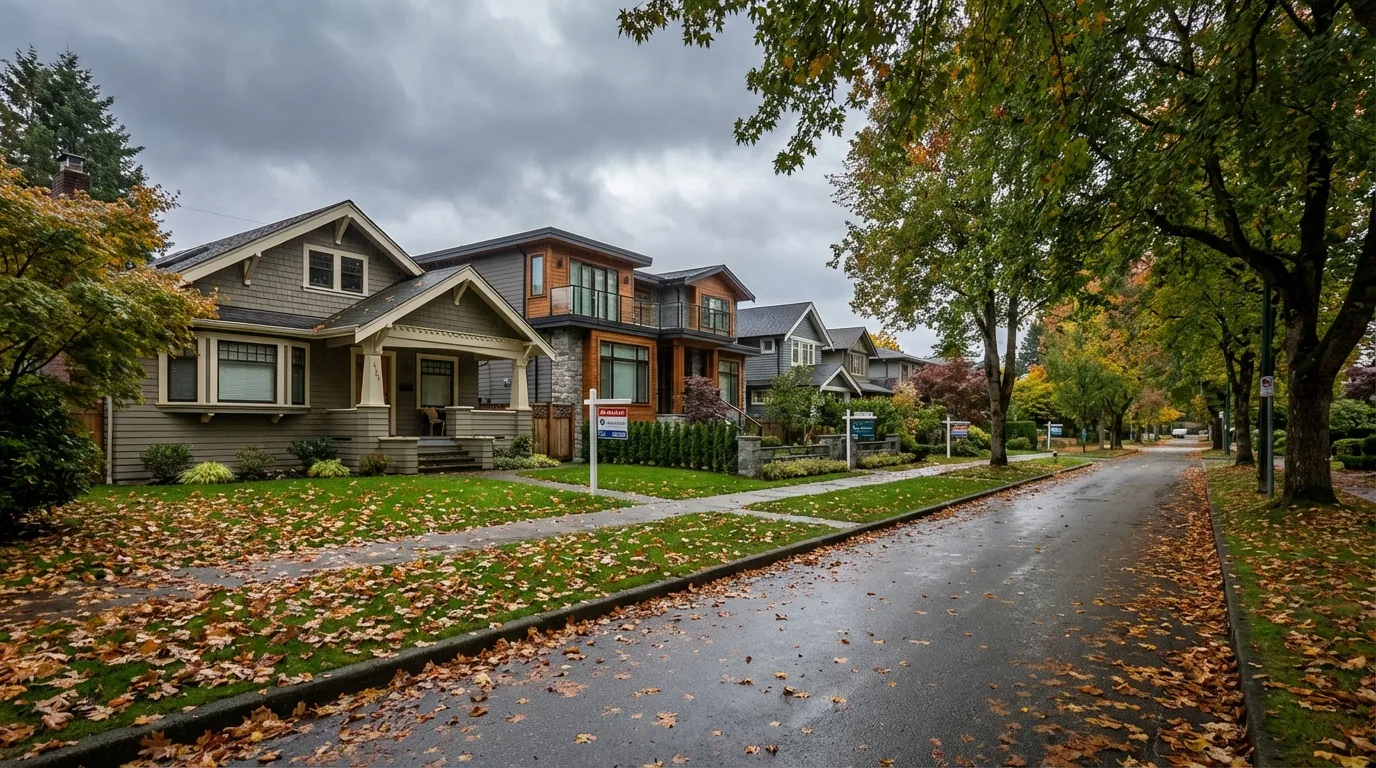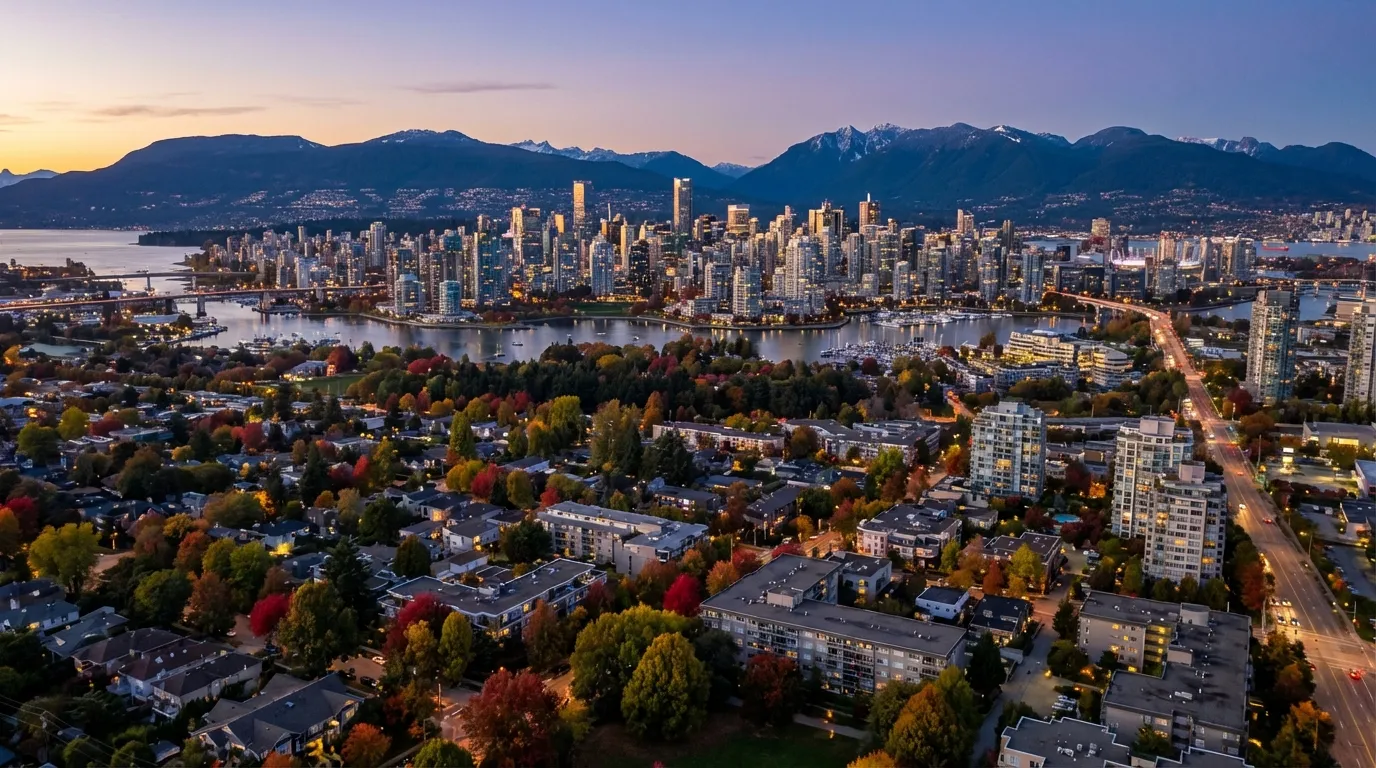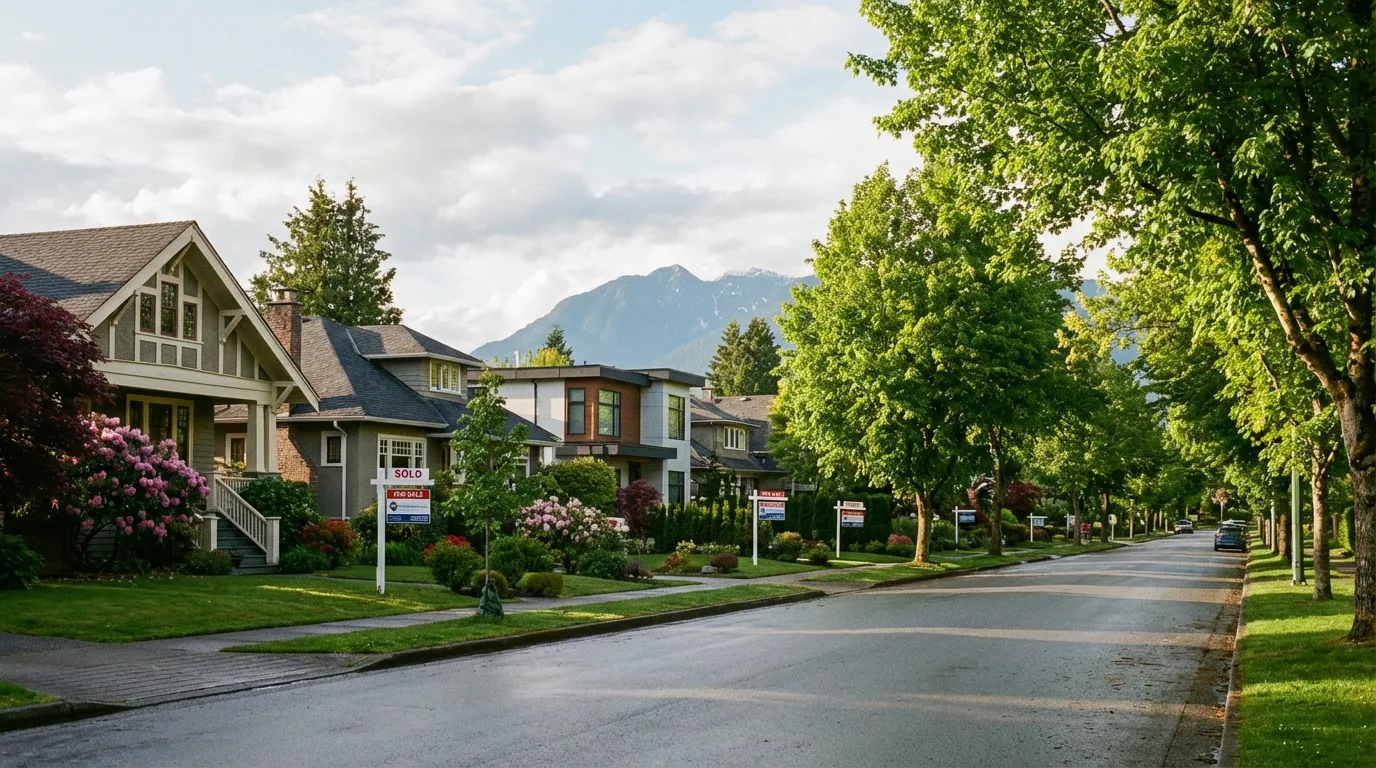
Two years after Bill 44 passed, Vancouver's first wave of multiplexes is hitting the ground. Here's what's actually been built, who's buying, and what living in one is really like.
Two years ago, Bill 44 passed and Vancouver collectively said: okay, let’s build multiplexes. The province mandated them. The city fast-tracked zoning. Builders started drawing plans. Everyone had opinions.
Now the first ones are done. People are living in them. And the reality is a lot more nuanced than either the boosters or the critics predicted.
I’ve walked through 14 completed multiplex projects in the last six months. I’ve talked to the buyers, the builders, and the neighbours. Here’s what I’m actually seeing on the ground — not the theory, not the talking points, but the 2026 reality of Vancouver’s newest housing type.
The Numbers: What’s Actually Been Built
Let’s start with hard data. As of late 2025, Vancouver has processed roughly 480 multiplex-related applications under the R1-1 framework. Of those, about 110 have received building permits. And the number that have reached completion — occupancy permits issued, people moved in?
Thirty-seven.
That’s it. Thirty-seven completed multiplex buildings across the entire city.
The pace is picking up. Another 40-odd projects are under active construction with anticipated completion in the first half of 2026. But anyone who thought Bill 44 would flood the market with thousands of new units by now has been humbled by the reality of permitting timelines, builder capacity constraints, and construction schedules.
For context: Vancouver issued permits for approximately 1,200 single-family homes in the same period. Multiplexes are still a fraction of the residential construction activity — somewhere around 8-9% of new starts in traditional single-family zones.
What the Completed Ones Actually Look Like
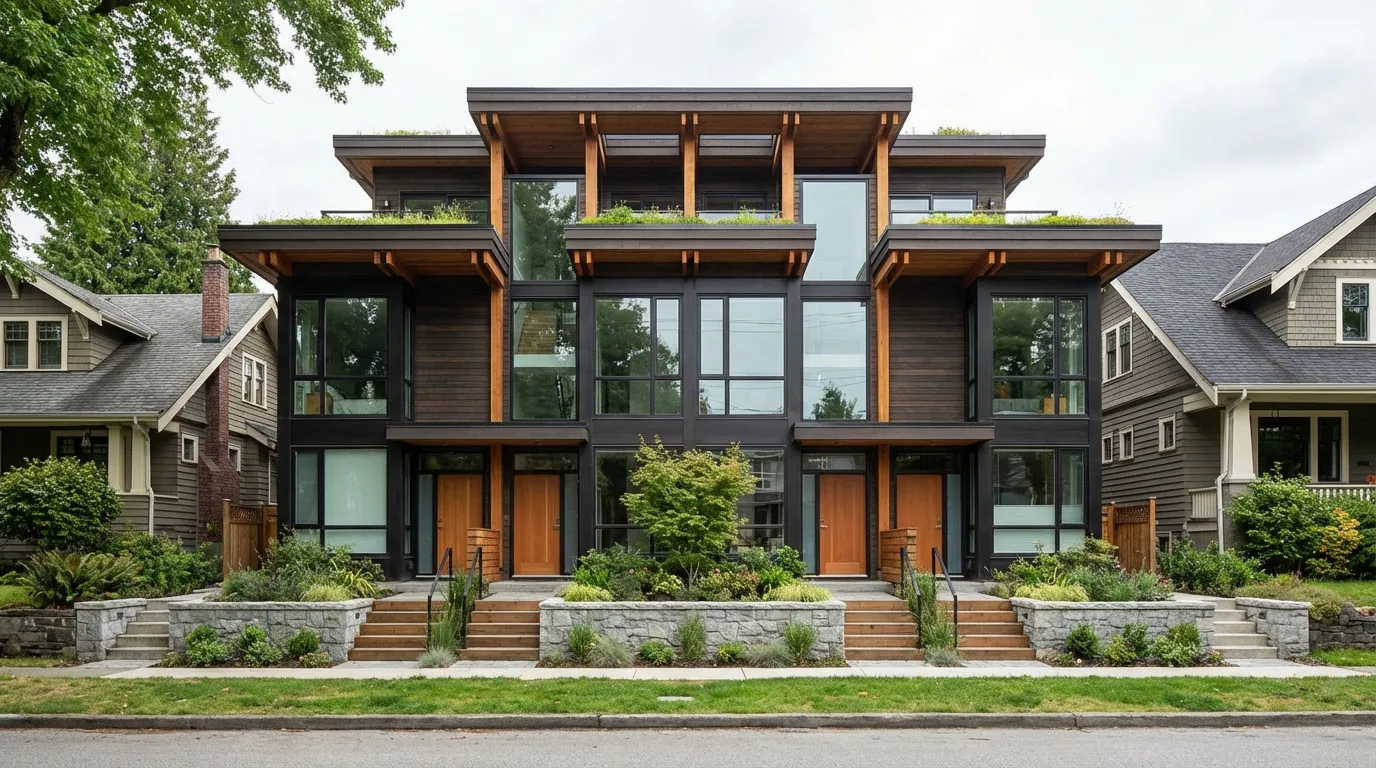
Walk down East 22nd Avenue near Fraser and you’ll see one of the earlier completions: a four-unit, three-storey wood-frame building on a standard 33-foot lot. It replaced a 1948 bungalow. Each unit is around 1,050 square feet with two bedrooms, in-suite laundry, and a small balcony.
From the street, it reads as a wide townhouse. Which is basically what it is.
The 37 completed projects cluster into a few categories:
Four-unit buildings on standard lots (33’ x 120’). These are the most common. Three storeys, wood-frame construction, usually two bedrooms per unit. Total building area runs 4,000-4,400 square feet. They look like chunky townhouses.
Six-unit buildings on wider lots (50’ or corner lots near transit). Less common, but the ones near Knight Street and along Kingsway are starting to show up. These are bigger — 5,800-6,200 square feet — with a mix of one-bedroom and two-bedroom units. Tighter interiors. More apartment than townhouse.
Three-unit conversions on smaller lots. A handful of projects in Grandview-Woodland and Mount Pleasant where the lot didn’t support four units. These feel the most residential — closer to a house divided into suites, with individual ground-level entries.
Almost all of them are three storeys. Almost all of them are wood-frame. And almost all of them max out the lot coverage allowance, which is why the design debate keeps getting louder.
Who’s Buying — and at What Price
This is where things get interesting. I expected the buyer profile to skew toward investors. It hasn’t.
Of the completed units I’ve tracked sales data on, about 60% went to owner-occupants. The remaining 40% were purchased by investors planning to rent them out.
The owner-occupant buyers fall into three groups:
Downsizing couples (40% of owner-occupants). Empty nesters selling a detached home and buying a multiplex unit in the same neighbourhood. They want to stay in Dunbar or Kerrisdale or Renfrew Heights, but they don’t need 2,400 square feet anymore. A 1,050-square-foot two-bedroom with no yard maintenance? That works.
Young families priced out of detached homes (35%). Couples with one or two kids who can afford $1.1 million but not $1.8 million. They’re getting a ground-floor unit with a small yard instead of a condo with a balcony. The trade-off is space — less than a house, more than most condos.
Single professionals (25%). One-bedroom unit buyers, mostly in the $680,000-$780,000 range. These units compete directly with condos, and the buyers often prefer the multiplex because there’s no strata council, no amenity fees, and the building is brand new.
Price points vary enormously by neighbourhood. A two-bedroom multiplex unit on the West Side — Dunbar, Point Grey, Arbutus Ridge — is listing at $1.15-$1.35 million. The same configuration in Renfrew-Collingwood or Killarney runs $820,000-$950,000.
For a detailed breakdown of multiplex investment economics, including rental yields and development costs, see our separate guide.
Multiplex Living: How It Actually Compares
I sat down with three multiplex residents last month. Their feedback was honest and consistent.
What’s Better Than a Condo
No strata. This came up in every conversation. No monthly strata fees. No special levies. No rules about what colour your curtains can be. One owner told me: “I spent eight years in a Cambie corridor condo arguing with the strata council about bike storage. Never again.”
The units are new construction with modern building codes — heat pumps, triple-pane windows, good insulation. Energy costs are low. One resident reported $45/month for heating and cooling a 1,050-square-foot unit in January.
Individual entrances. Most four-unit designs give each unit its own front door, at least on the ground floor. That feels different from walking through a lobby and riding an elevator.
What’s Better Than a House
Cost, obviously. You’re in a detached-home neighbourhood for 40-55% of what the house next door is worth.
Maintenance burden is lower. There’s no roof to worry about (individual units own their interior; the building envelope is common property under a bare land strata). No furnace to replace. The heat pump system is shared.
What’s Worse Than Either
Sound. This is the biggest complaint. Wood-frame construction between units means you hear your neighbours. Not constantly. But footsteps on upper floors, music through shared walls — it’s there. One resident on East 33rd said: “It’s quieter than my old apartment on Broadway, but it’s not a house. You know people live next to you.”
Space. At 1,050 square feet, a two-bedroom unit is tight for a family. There’s no basement. Storage is limited. One family with two kids said they rented a storage locker within three months.
Outdoor space is minimal. Ground-floor units get a small patio. Upper units get a balcony. Nobody has a backyard.
Parking varies. Some buildings include one spot per unit. Others have zero. If you’re on a street without permit parking, you’re competing with neighbours for curb space.
The West Side vs. East Side Split
The multiplex experience is playing out very differently depending on which side of Main Street you’re on.
West Side projects are higher-end. Better finishes. More architectural attention. Hardi-plank cladding, metal accents, landscaped entries. Units sell for $1.1-$1.35 million. The builders working in Kerrisdale and Dunbar tend to be experienced custom home builders who’ve pivoted to multi-unit — they know the neighbourhood expectations and they’re building accordingly.
The opposition is also louder on the West Side. Neighbours in Shaughnessy adjacent areas have been vocal about tree removal, shadowing, and parking. Some of it is legitimate concern about neighbourhood character. Some of it is resistance to change, full stop.
East Side projects are more straightforward. Lower price points. Simpler finishes — vinyl siding, standard fixtures, functional layouts. Units sell for $780,000-$950,000. The builders here are often production-oriented — they want to move fast and keep costs down. Design quality is more variable. Some look sharp. Some look like boxes.
But the absorption has been faster on the East Side. Units sell quicker. Buyer demand is stronger at that price point. The gap between “what you’d pay for a condo” and “what you’d pay for a multiplex unit” is smaller, which makes the value proposition clearer.
The neighbourhood-by-neighbourhood differences are worth studying if you’re considering a purchase.
Owner-Builder vs. Developer: Two Different Games
The 37 completed projects split roughly 50/50 between owner-builders and developer-led projects. They’re producing very different results.
Owner-builders are typically homeowners who demolished their existing house and built a multiplex on their lot. They keep one or two units and sell the rest. The quality tends to be higher — they’re going to live in the building, so they care about soundproofing, finishes, and layout. The timelines are longer because they’re learning as they go.
One owner-builder in Riley Park told me his project took 26 months from demolition permit to occupancy. He kept two units for his family and sold two. His all-in cost was $2.1 million (land he already owned, plus $2.1 million in construction and soft costs). The two sold units brought in $1.85 million combined. He netted the two units he lives in for roughly $250,000 in out-of-pocket cost, not counting the land value he started with.
That math works. But it’s not simple math, and the 26-month timeline tested his patience.
Developer-built projects move faster but prioritize margins. A developer buying a lot for $1.6-$1.9 million, spending $1.8-$2.2 million on construction, and selling four units at $900,000-$1.1 million each needs every unit to sell to make the numbers work. The finishes reflect that — functional, not luxurious. The design reflects that — maximum buildable area, minimum waste.
Neither model is wrong. But they produce different buildings, and buyers should know which one they’re looking at.
What’s Working and What Needs to Change
After two years of watching this unfold, here’s my honest assessment.
What’s Working
The housing type itself makes sense. Units in the 850-1,200 square foot range fill a gap between condos and detached homes that’s been empty for decades. Buyers want them. The 60% owner-occupancy rate proves this isn’t just an investor play.
The owner-builder model is producing quality buildings. When someone is going to live in what they build, the incentives align. These projects are the best argument for the multiplex program.
Ground-oriented living in established neighbourhoods at sub-$1-million prices. That’s new for Vancouver. It didn’t exist before Bill 44.
What Needs to Change
Fees are still too high. Development cost charges, community amenity contributions, and permit fees can add $150,000-$200,000 per project. For a four-unit building, that’s $37,500-$50,000 baked into each unit’s price. The city has made some reductions, but not enough. See our detailed breakdown of the fee problem.
Timelines are still too long. Average time from application to building permit: 14 months. From building permit to occupancy: another 12-14 months. Total: over two years. That’s better than 2024, but it’s still discouraging for homeowners who don’t want to spend two-plus years in a development process.
Design guidelines need teeth. The city’s standardized plans help, but too many custom projects are producing buildings that don’t relate to their context. Mandatory design review for multiplex projects — not lengthy, just basic massing, materials, and streetscape compatibility — would improve outcomes without adding major delays.
Sound insulation standards should be higher. Current building code minimums for party walls are STC 50. Multiplex residents consistently report that’s not enough. STC 55 or 56 would cost an extra $3,000-$5,000 per unit and make a meaningful difference in livability.
Where This Is Heading in 2026-2027
The completion rate will accelerate. Those 40-plus projects under construction right now will finish in the first half of 2026. Another 60-70 permitted projects will break ground. By the end of 2026, I’d estimate 120-140 completed multiplex buildings in Vancouver — up from 37 today.
That’s still modest. But it’s enough to generate real market data: what units actually sell for, how long they take to sell, what buyers are willing to pay for better design or better soundproofing.
I expect three trends to define 2026-2027:
Price stratification. The gap between well-designed multiplex units and basic ones will widen. Buyers will pay a premium for quality — better sound insulation, better finishes, more thoughtful layouts. The cheap-and-fast approach will face market resistance.
Builder consolidation. The builders who’ve completed two or three projects will refine their approach and build faster. First-time multiplex builders will find it harder to compete. Experience matters, and the market will reward it.
Policy adjustment. Whether it’s fee reductions, design standards, or both — the city will respond to the data that completed projects provide. The political pressure is there. The question is whether adjustments come before or after the fall 2026 municipal election.
For a deeper look at builder capacity and the construction pipeline, we’ve covered that in detail.
Frequently Asked Questions
Is a multiplex unit a good buy compared to a condo at the same price?
It depends on what you value. A $900,000 multiplex unit in East Vancouver gets you about 1,050 square feet, two bedrooms, no strata fees, and a ground-oriented layout in a residential neighbourhood. A $900,000 condo in the same area gets you 750-850 square feet in a concrete building with a gym, concierge, and $400-$500/month in strata fees. The multiplex wins on space, fees, and lifestyle. The condo wins on sound insulation, amenities, and building durability. Neither is universally better — it’s a trade-off based on your priorities.
How do multiplex units hold their resale value?
We don’t have enough data yet. The 37 completed buildings are too new for resale trends. Based on buyer demand and the structural shortage of ground-oriented housing in Vancouver, I expect multiplex units to hold value well — particularly well-designed ones in established neighbourhoods. But that’s an informed guess, not proven data.
Can I get a mortgage on a multiplex unit?
Yes. All major Canadian lenders are financing multiplex units. They’re treated as freehold or bare land strata, depending on the project’s legal structure. Mortgage terms are comparable to condo purchases. Down payment requirements follow standard rules: 5% minimum for owner-occupants (up to $500,000, then 10% on the portion above), 20% for investors.
What should I look for when buying a multiplex unit?
Five things: sound insulation rating of party walls (ask for the STC number — you want 55 or higher), the builder’s track record (have they completed other multiplex projects?), the strata or ownership structure (bare land strata vs. freehold vs. air space parcel), parking provisions, and the quality of shared systems (heat pump, ventilation, plumbing). New construction hides a lot behind drywall. Due diligence matters.
Thinking About a Multiplex Purchase or Build?
This market is still forming. The rules are new, the product is new, and the data is limited. That’s both an opportunity and a risk.
I’ve been working with multiplex builders and buyers since the first Bill 44 applications hit the city’s desk. I know which builders are producing quality work, which neighbourhoods offer the best value, and where the process tends to go sideways.
Whether you’re considering buying a completed multiplex unit, selling your lot for development, or building one yourself, I can help you understand what you’re getting into before you commit.
Contact Greyden Douglas directly at (604) 218-2289 or get in touch here to talk through your options.