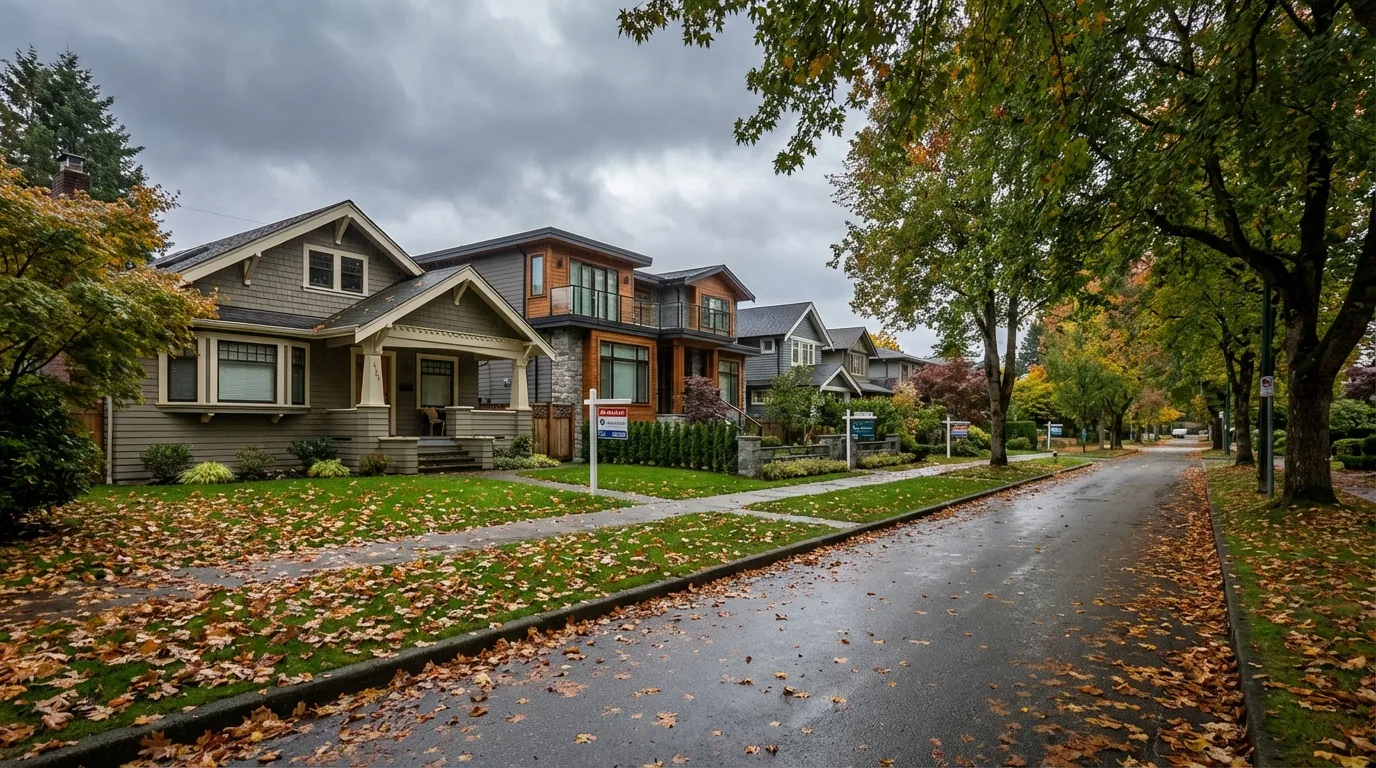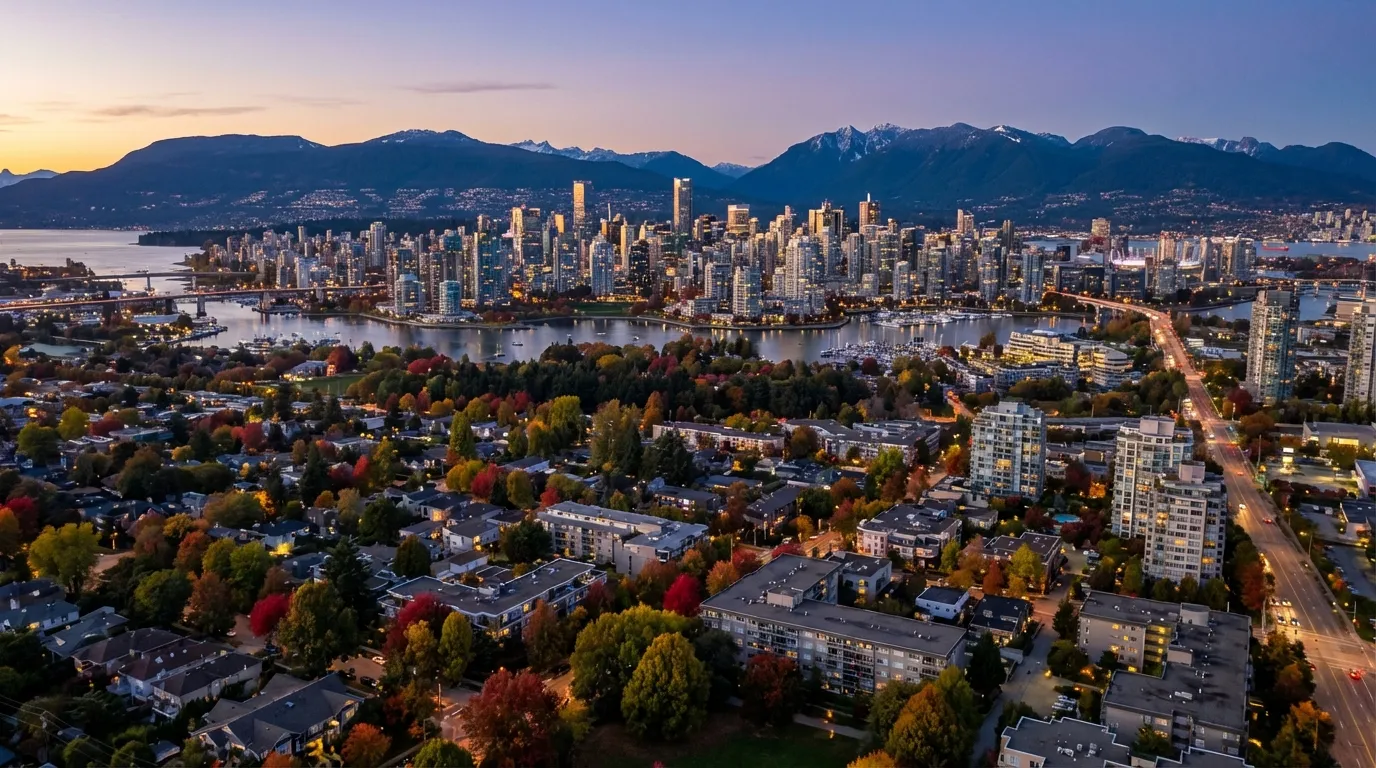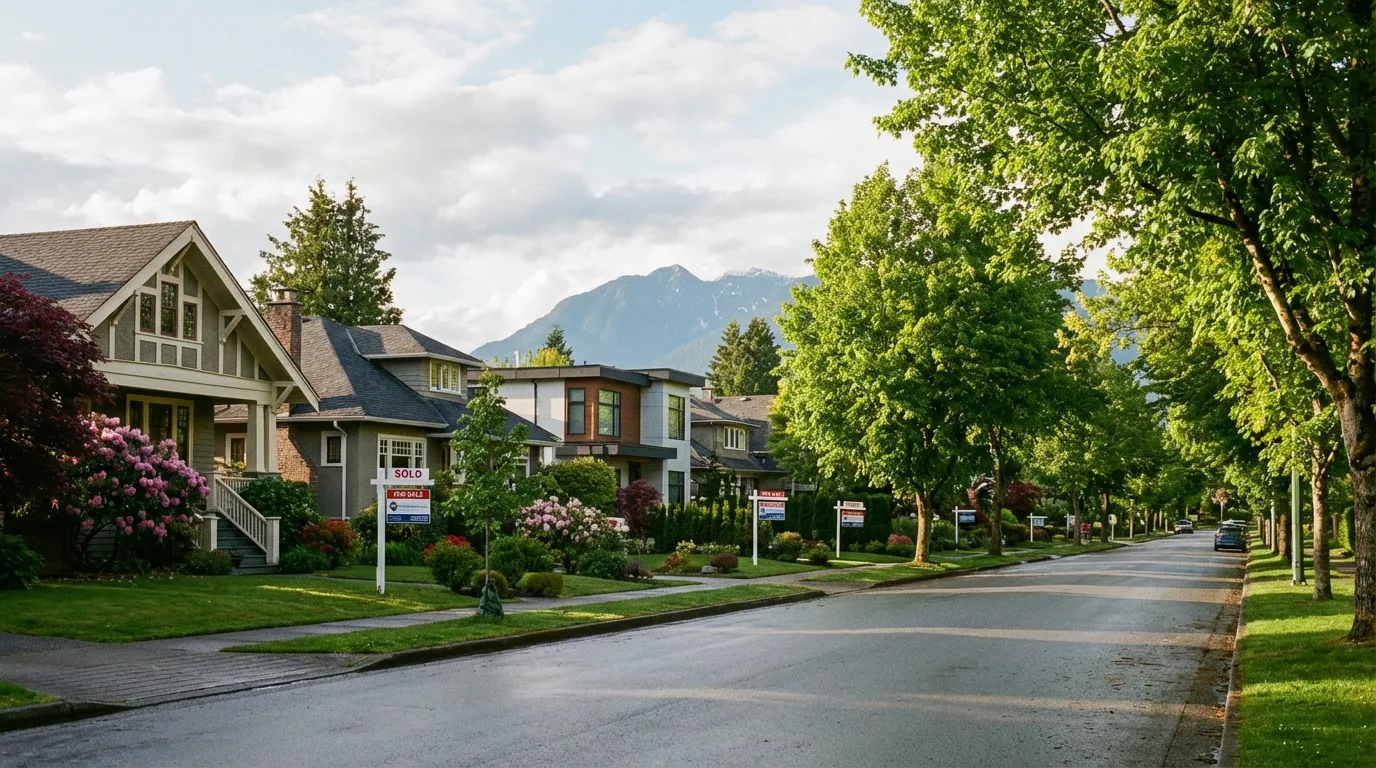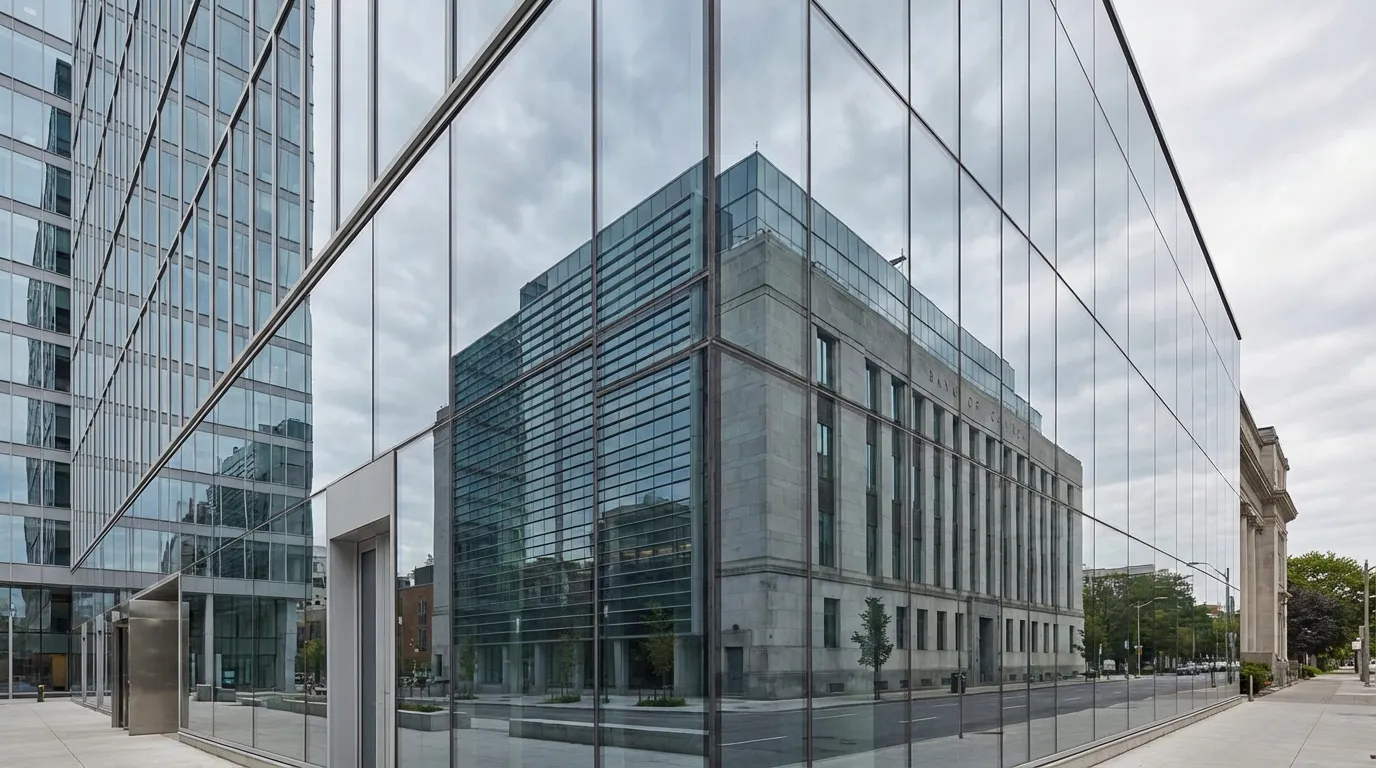
After seven cuts brought the overnight rate from 5.0% to 2.25%, the Bank of Canada has hit pause twice in a row. Here's what the rate hold means for Vancouver buyers, sellers, and the presale market heading into spring 2026.
I have been through enough Bank of Canada rate cycles to know that the pauses tell you more than the cuts. Cuts are reactive. Pauses are deliberate. And right now, the Bank of Canada is telling us something that matters if you are buying, selling, or holding real estate in Vancouver.
On January 28, 2026, the BoC held its overnight rate at 2.25% for the second consecutive meeting, following the December 10, 2025 hold. That ended a run of seven straight cuts that brought the rate down from 5.0% starting in mid-2024. The next announcement is scheduled for March 18, 2026.
Two holds in a row is not a blip. It is a signal. And for Vancouver real estate, the signal is worth unpacking.
Why the Bank of Canada Stopped Cutting
The BoC’s reasoning comes down to three things: tariff uncertainty, geopolitical risk, and what Governor Macklem called “structural headwinds” in the Canadian economy.
Let me translate that from central-banker language. The U.S. tariff threats have made it nearly impossible for the Bank to forecast where the economy is headed over the next 12 months. If tariffs escalate, Canada’s export-heavy economy takes a hit and the BoC might need to cut further. If tariffs get resolved, inflation could re-accelerate and cuts would have been premature.
So they are waiting. And I think that is the right call, even if it frustrates people who were hoping for sub-2% rates by now.
My read on the March 18 announcement: another hold is the most likely outcome unless we see a significant economic deterioration between now and then. The Bank has been clear that it needs more data before moving in either direction.
Where Vancouver Prices Sit Right Now
The rate pause is landing in a market that is already soft. According to Greater Vancouver Realtors’ December 2025 data, benchmark prices are down across every property type:
| Property Type | Benchmark Price (Dec 2025) | Year-over-Year Change |
|---|---|---|
| Composite (all residential) | $1,114,800 | -4.5% |
| Detached | $1,879,800 | -5.3% |
| Townhouse | $1,056,600 | -5.0% |
| Apartment (condo) | $710,000 | -5.3% |
Source: Greater Vancouver Realtors, December 2025 Monthly Summary
These declines happened during a rate-cutting cycle. That should tell you something important: lower rates alone do not move prices higher. Buyer confidence matters just as much as borrowing costs, and confidence has been shaky.
Metro Vancouver recorded roughly 23,800 home sales in 2025, the lowest annual total in over two decades. Meanwhile, sellers listed 65,335 properties on the MLS, pushing active inventory to around 12,550 homes by year-end. That imbalance is why prices have been drifting lower even with borrowing costs well off their 2023 peaks.
The Rate Hold and Your Mortgage Payment
Here is the practical part. If you have a variable-rate mortgage or a home equity line of credit, your rate is directly tied to the overnight rate. The hold at 2.25% means your payment stays where it is. No increase, no decrease.
For new buyers, current posted 5-year fixed rates are hovering in the 4.0% to 4.5% range depending on the lender and your down payment. Variable rates are generally running 0.5% to 1.0% below that. The spread is narrow enough that the fixed-versus-variable decision is genuinely close right now.
My advice to clients has not changed since the first hold in December: if you are buying, lock in a rate hold with your broker and do not try to time the next BoC decision. Rate stability is actually better for planning than rate volatility. You know what your payments look like for the next five years. That clarity has value.
If you are still comparison shopping for mortgage options, I wrote a detailed breakdown in our Vancouver mortgage guide that covers the stress test rules, qualification math, and strategy for the current rate environment.
The Presale Condo Market Is Feeling This Most
Where the rate hold is having the most visible impact is in Vancouver’s presale condo market. Developers budgeted their projects assuming rates would keep falling through 2026. Two consecutive holds have disrupted that assumption.
Presale condo launches dropped roughly 60% below forecasted levels in 2025. Investor participation, which historically accounted for about half of presale purchases, collapsed. The math on carrying a presale condo as an investment simply does not work at current rates and rental yields for most buyers.
The result: developers with completed, unsold inventory are offering significant incentives to move units. I am seeing decorating allowances of $15,000 to $30,000, strata fee coverage for the first year or two, and GST credits that effectively reduce the purchase price. Some builders are starting to cut list prices outright, though most prefer to keep the headline number intact and negotiate behind the scenes.
For end-user buyers who actually want to live in a new condo, this is one of the strongest negotiating positions I have seen. If you are looking in areas like Mount Pleasant, the West End, or along the Broadway corridor, there is standing inventory available right now that would have sold out in pre-construction two years ago.
What Happens If Rates Stay Here Through 2026
Let me game out the scenario I think is most likely: the overnight rate stays at or near 2.25% for the rest of 2026, with maybe one more 25-basis-point cut if the economy weakens.
In that scenario, here is what I expect for Vancouver:
Prices stay roughly flat. BCREA’s Q1 2026 Housing Forecast projects modest price growth of about 3% across BC, but that is province-wide. Metro Vancouver, where prices are higher and affordability is more stretched, will likely see something closer to flat or very slight increases.
Sales volume picks up modestly. BCREA forecasts 78,690 residential sales across BC in 2026, up 12% from 2025’s depressed levels. Some sidelined buyers will accept that 2.25% is the new normal and start shopping. But this will not be a flood. It will be a slow thaw.
Inventory stays elevated. With new listings running well above historical averages and sales still below the 10-year mean, the supply overhang is not going away quickly. That keeps the market balanced to buyer-friendly through at least the fall.
Presale incentives continue. Developers cannot hold unsold completed inventory indefinitely. The carrying costs are brutal. Expect the incentive packages to get more generous, not less, as we move through the year.
The Bigger Picture: Rate Cycles and Real Estate Timing
I have been selling homes in Vancouver for 20 years. In that time, I have watched three full rate cycles play out, and the pattern is always the same: rates peak, the market softens, people wait, rates come down, people keep waiting because they think rates will fall further, and then the market turns before they act.
We are deep into the “people keep waiting” phase right now. The seven cuts from 5.0% to 2.25% have already happened. The easy gains in borrowing power are behind us. What we have now is rate stability, a buyer-friendly market, and selection that simply was not available 18 months ago.
If you are waiting for the BoC to cut to 1.5% before you buy, I think you are going to be waiting a long time. And while you wait, the best inventory will get picked off by buyers who are acting now.
That said, I am not in the business of pressuring people into purchases they are not ready for. If your finances are not there yet, or you are not sure about your five-year plans, waiting is fine. Just be honest about why you are waiting. If the answer is “I am hoping for a better deal,” recognize that the deal is already here. The question is whether you are ready to take it.
Key Takeaways
- The Bank of Canada held at 2.25% for two consecutive meetings (December 2025 and January 2026), signalling rates are likely stable for the near term
- Vancouver benchmark prices are down 4.5% to 5.3% across all property types despite seven prior rate cuts, showing that buyer confidence matters as much as borrowing costs
- Presale condo launches dropped roughly 60% below forecasts, and developers are offering substantial incentives on completed inventory
- BCREA projects a modest 12% sales rebound and 3% price growth for BC in 2026, consistent with a balanced-to-buyer-friendly market through the year
- The next BoC announcement is March 18, 2026; another hold is the most likely outcome barring a significant economic shift
Frequently Asked Questions
Will the Bank of Canada cut rates again in 2026?
It is possible but not certain. The BoC has signalled that tariff uncertainty and geopolitical risks make it difficult to forecast. My expectation is that we see at most one additional 25-basis-point cut in 2026, and only if the economy weakens materially. The days of consecutive cuts are likely behind us for this cycle.
How does the rate hold affect Vancouver home prices?
Rate stability tends to create market stability. Without further cuts to boost buying power, prices are unlikely to surge. But the rate hold also does not cause prices to crash because borrowing costs are not increasing. The net effect is a market that stays roughly flat, which actually favours buyers who want time to find the right property without feeling rushed.
Should I get a fixed or variable mortgage right now?
With the overnight rate at 2.25% and the spread between fixed and variable rates relatively narrow, both options are reasonable. If you value payment certainty and believe rates could tick up, fixed makes sense. If you think there is one more cut coming and want to save in the short term, variable is defensible. I always tell clients to talk to their mortgage broker about their specific risk tolerance. For a deeper dive, see our mortgage guide.
Is now a good time to buy a presale condo in Vancouver?
For end-users who plan to live in the unit, yes. The incentive packages being offered on completed inventory are genuinely valuable, and you avoid the three-to-four-year construction wait. For investors, the math is harder. Rental yields in Vancouver typically do not cover carrying costs at current prices, so you are betting on appreciation. That bet is reasonable over a 7-10 year hold, but it requires patience and cash reserves. Read our presale guide for the full picture.
Sources
- Bank of Canada - Interest Rate Decision, January 28, 2026
- Greater Vancouver Realtors - December 2025 Monthly Summary and 2025 Year in Review
- BC Real Estate Association - Q1 2026 Housing Forecast Update, January 28, 2026
Data sourced February 2026. Market conditions change frequently. Verify current figures before making financial decisions.
Ready to Make a Move? Talk to Rain City Properties
Whether you are weighing a purchase in today’s market or trying to figure out how the rate environment affects your selling timeline, the numbers only tell half the story. Local experience fills in the rest.
I have been working Vancouver’s west side for 20 years. If you want to talk through what the rate hold means for your specific situation, or you want to know which neighbourhoods have the best opportunities right now, I am happy to have that conversation.
Contact Greyden Douglas directly at (604) 218-2289 or book a call to discuss your Vancouver real estate goals.
Related Vancouver real estate pages
Continue with local service pages, neighbourhood guides, and actionable resources related to this topic.