After 20 years in Vancouver real estate, people ask me why I still get excited about this work. The honest answer involves architecture, puzzles, and a lot of other people's kitchen tables.
People ask me this at dinner parties. Twenty years selling real estate in Vancouver, and they want to know if I still like it. The short answer is yes. The longer answer is complicated, the way anything you care about gets complicated over time.
It Starts at Someone’s Kitchen Table
Most of my deals start the same way. I’m sitting in someone’s kitchen, drinking coffee I didn’t make, listening. A couple who just had their second kid and the one-bedroom isn’t cutting it anymore. A retired teacher who’s been in the same Dunbar bungalow for thirty-five years and can’t manage the stairs. A guy in his late twenties who’s been saving since he was nineteen and is terrified he’ll never afford anything.
These are not small conversations. For most people, buying or selling a home is the single biggest financial decision they’ll ever make. I take that seriously. I’ve sat across from people who cried. I’ve been in rooms where spouses disagreed about everything — the neighbourhood, the budget, whether they even wanted to move at all. My job in those moments isn’t to sell anything. It’s to listen and help them figure out what they actually want, which is sometimes different from what they say they want.
A few years back, I worked with a couple relocating from Toronto. They came in with a list: three bedrooms, walkable to transit, west side, under $1.8 million. Reasonable enough. I showed them six places that checked every box. They hated all of them. On a hunch, I drove them through Grandview-Woodland on a Saturday morning. Commercial Drive was doing its thing — the Italian bakeries, the guy playing accordion outside the coffee shop, families everywhere. They looked at each other in the car and I just knew. We found them a character home on a side street off the Drive, a 1920s place with original fir floors and a yard that backed onto a community garden. It was east side. It was not on their list. They’ve been there five years now and they send me photos of their tomato harvest every August.
That’s the puzzle part of this job, and I love it.
The Buildings Themselves
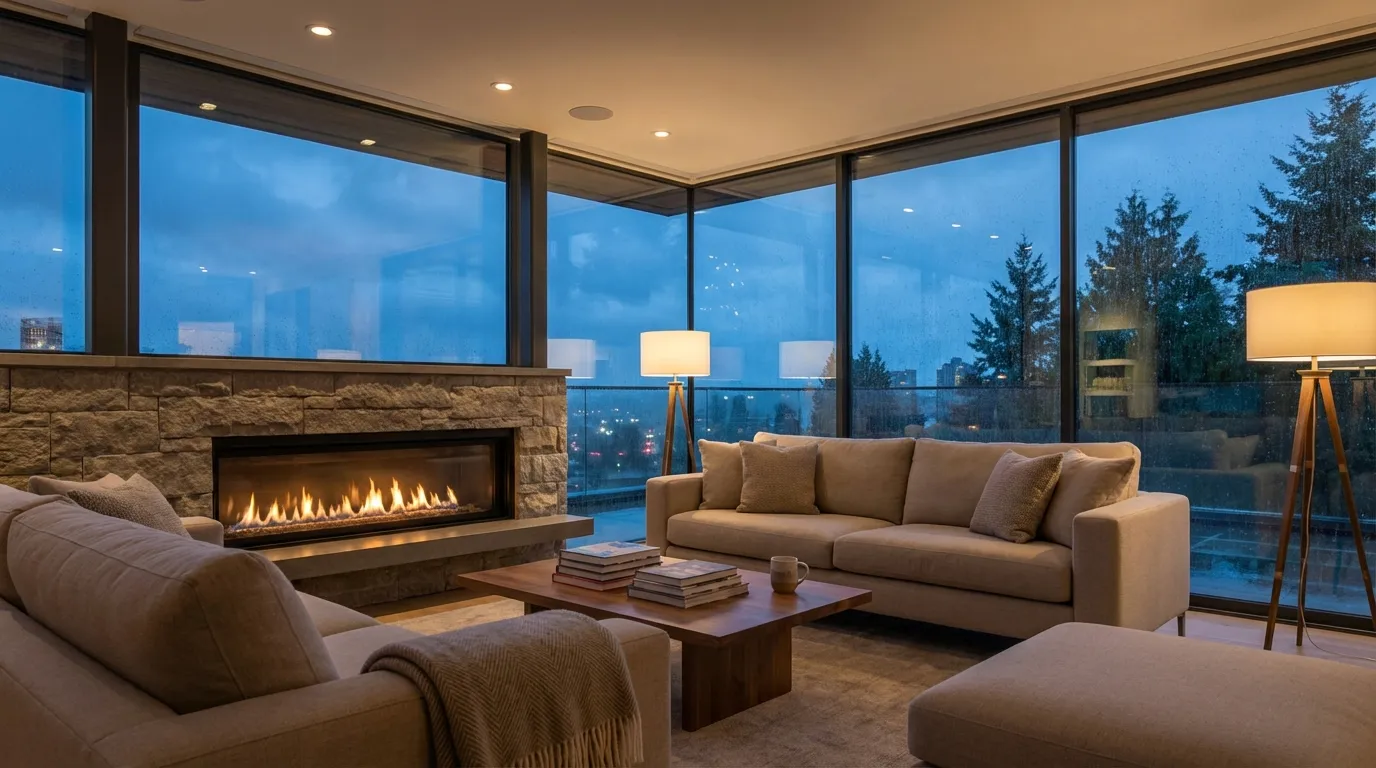
I got into this work partly because I’m obsessed with how buildings feel. Not just how they look on paper or in a listing photo, but how it feels to stand in a room.
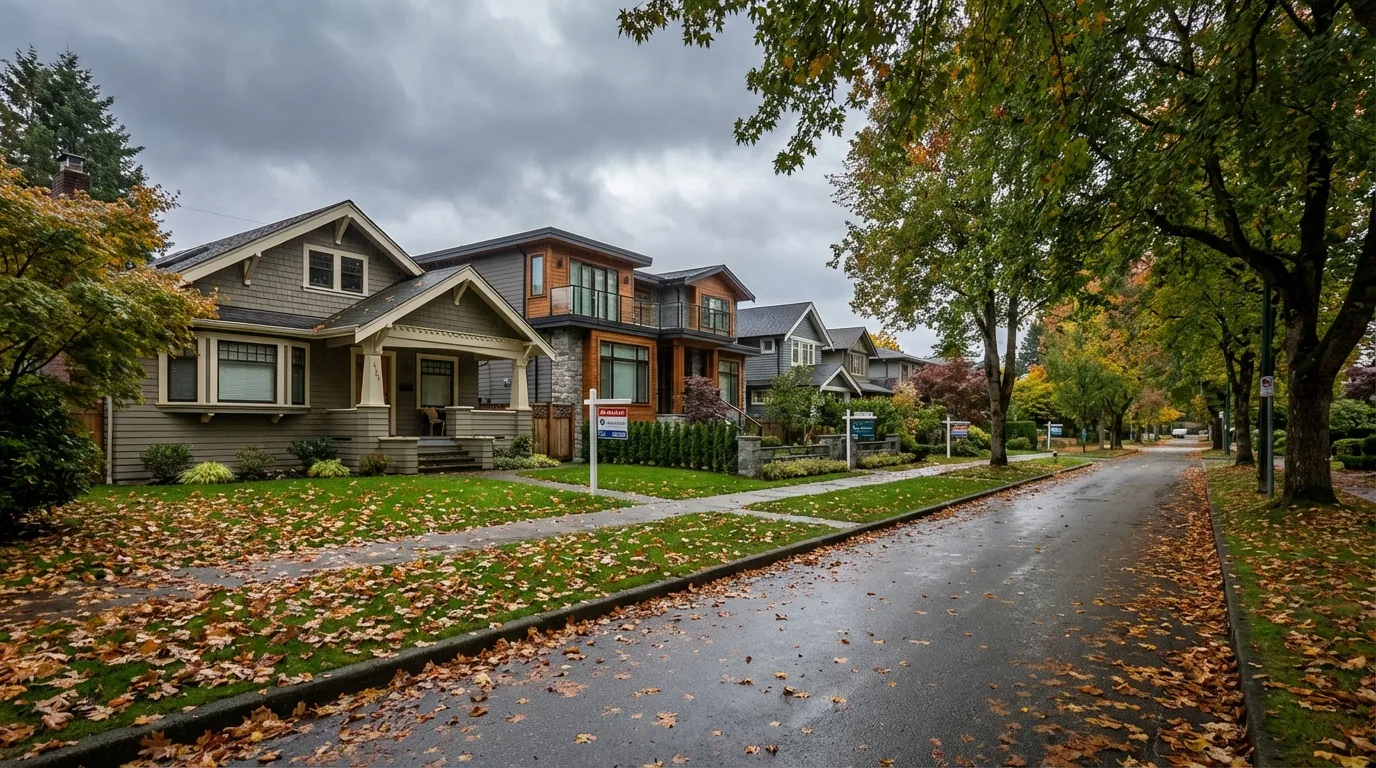
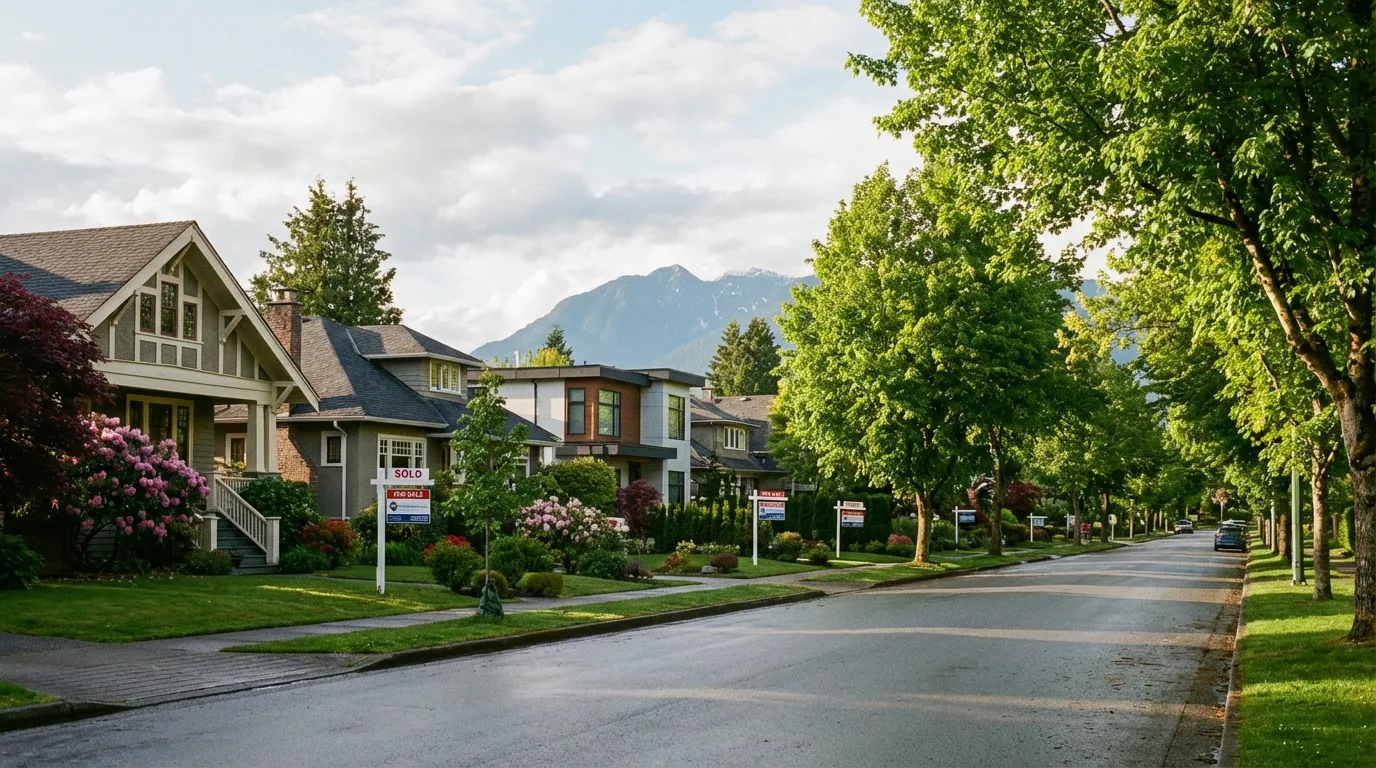
Vancouver has this incredible range. You’ve got your 1910 Craftsman homes in Strathcona with the deep front porches and the fir millwork that nobody builds anymore. The mid-century ranchers in Kerrisdale that sit low and wide on their lots. The glass towers downtown that turn into mirrors at sunset. The laneway houses that are somehow 800 square feet but feel like twice that because someone thought hard about the sightlines.
I walk into a lot of houses. Hundreds a year, probably. And I still get a feeling sometimes — a catch in my chest when the light hits a room a certain way, or when I step onto a porch and hear the neighbourhood going about its business. It’s not something I can put in a spreadsheet, but it matters. It’s the difference between a house and a home.
The architecture tells you the history of the city, too. You can read Vancouver’s story in its buildings. The Edwardian houses that went up when the streetcar lines pushed into new neighbourhoods. The stucco boxes of the 1960s when everyone wanted modern. The leaky condos of the ’90s — a chapter the city would rather forget. And now, the multiplexes going up under Bill 44, which might be the biggest change to the residential streetscape in a generation. I find all of it interesting. Even the ugly stuff. Maybe especially the ugly stuff, because it tells you something about what people valued at the time.
Twenty Years of Change
When I started in this business, you could buy a decent house on the east side for $400,000. I know. I know how that sounds now. But it’s true, and it wasn’t even that long ago.
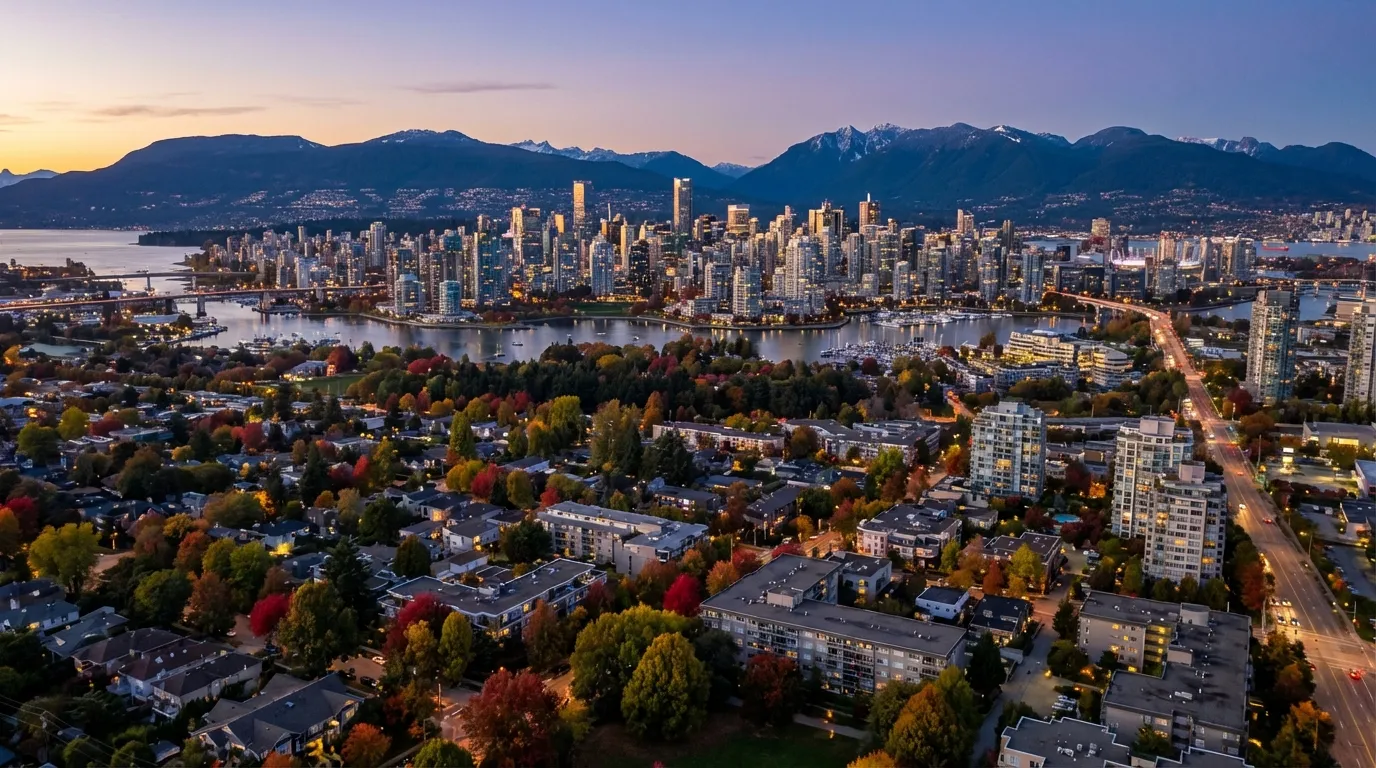
I’ve watched this city transform. Neighbourhoods that were overlooked became the places everyone wanted to be. Mount Pleasant went from gritty to gold. The Olympic Village was literally a parking lot and some rail yards, and now it’s one of the most desirable addresses in the city. East Van went from “why would you live there” to “how can I afford to live there.”
The market has humbled me more than once. I’ve seen the 2008 correction, the foreign buyer tax shock in 2016, the COVID madness where people were paying $200,000 over asking sight unseen, and then the rate hikes that followed. Every time I think I understand the pattern, the pattern shifts. That keeps me honest. Anyone who tells you they can predict this market with certainty is selling you something other than real estate.
Watching Lots Become Homes
One part of my work that people don’t always know about is the builder and developer side. I work with people who buy land and turn it into housing. I’ve walked empty lots in the rain with builders, talked about setbacks and floor-area ratios, watched foundations get poured, and then months later stood in a finished living room that didn’t exist before.
There’s something elemental about that. Where there was nothing, now there’s a place where someone will raise kids, cook dinner, argue about what to watch on TV. I helped a small local builder find a lot on East 22nd a couple of years ago. He put up a four-unit multiplex — clean design, good materials, not a monster box like some of what’s going up. All four units sold to people who couldn’t have afforded a single-family home in that area. That felt good. That felt like we’d done something right.
The Hard Parts
I’d be lying if I said I love every day.
Deals fall apart. You work with someone for months, find them the perfect place, negotiate hard, get the offer accepted, and then the home inspection turns up knob-and-tube wiring and a failed perimeter drain and the whole thing collapses. The buyers are devastated. I’m frustrated. Everyone goes home tired.
Or the market turns and someone who bought eighteen months ago is now underwater, and they’re sitting across from me asking what happened, and there’s no good answer. Just math.
I’ve had clients yell at me. I’ve had clients call me at 11pm having a panic attack about whether they offered too much. I’ve driven forty-five minutes to a showing where the buyer didn’t show up and didn’t call. I’ve lost listings to agents who promised higher sale prices they had no business promising.
The emotional weight of this work is real. People’s hopes and fears and savings and marriages get tangled up in these transactions. You carry some of that home with you whether you want to or not. I’ve learned to be better about boundaries over the years, but I’d be lying if I said I’ve mastered it.
Why I Started Rain City
I worked for a couple of brokerages in my first decade. Good people, mostly. But I kept bumping up against the same thing: the industry’s incentives don’t always line up with the client’s interests. There’s pressure to close fast, to push volume, to treat homes like widgets on a conveyor belt.
I started Rain City Properties because I wanted to do this differently. Fewer clients, more attention. Actually answer the phone. Actually know the neighbourhoods I’m selling in, not just the comparable sales data but the coffee shop on the corner and the school catchment and whether that lot across the street is likely to get developed.
The name came easy. If you’re going to sell homes in Vancouver, you’d better love the rain. I do. I love this city in November when the tourists are gone and the leaves are down and the mountains disappear behind grey and the whole place gets quiet and serious. That’s the real Vancouver. The rain is the test. If you can love the city in the rain, you belong here.
What Keeps Me Going
Honestly? I still get a hit of adrenaline when I write an offer. Still. After twenty years and probably a thousand transactions. My heart rate goes up. I want to win for my clients and I hate losing.
But beyond the competition, it’s the long game that sustains me. I’ve now sold homes to people, and then years later helped them sell that home to buy a bigger one, and then helped their friends, and once, memorably, helped their parents downsize. You become part of people’s lives in this strange, specific way. You know their budgets and their arguments and their dreams, and they trust you with all of it.
A woman I helped buy a condo in Yaletown in 2009 — her first place, a 500-square-foot studio — emailed me last month. She and her husband just had twins and they need a house. We’re starting the search next week. That’s seventeen years of knowing someone through the lens of where they live. I can’t think of many jobs that offer that kind of continuity.
I don’t love every day of this work. Some days are boring. Some days are brutal. But I love the work itself — the buildings, the people, the puzzle, the city. I love that no two deals are the same. I love that after twenty years, Vancouver still surprises me.
That’s the honest answer.
If you’re thinking about buying, selling, or just want to talk about what’s happening in your neighbourhood, I’m always happy to have a conversation. You can reach me directly at (604) 218-2289 or book a call. No pressure. Just coffee and real talk.
Related Vancouver real estate pages
Continue with local service pages, neighbourhood guides, and actionable resources related to this topic.