Vancouver's multiplex rezoning has fundamentally altered land economics. We analyze how 'highest and best use' has shifted and what it means for your property's assessment and market value.
The Multiplex Effect: How Rezoning is Reshaping Home Values
It has been over a year since Vancouver and Burnaby implemented sweeping zoning changes to allow for multiplexes (up to 4-6 units) on single-family lots. Now, in 2026, we are seeing the tangible impacts on property values and neighborhood dynamics.
1. The Decoupling of Land and Structure Value
Traditionally, a home’s value was a mix of the land and the house itself. Now, for many older homes, the value is almost entirely in the land’s potential.
- The “Floor” Price: The potential to build 4-6 units creates a price floor for detached lots. Even if the house is livable, its value is underpinned by what could be built there.
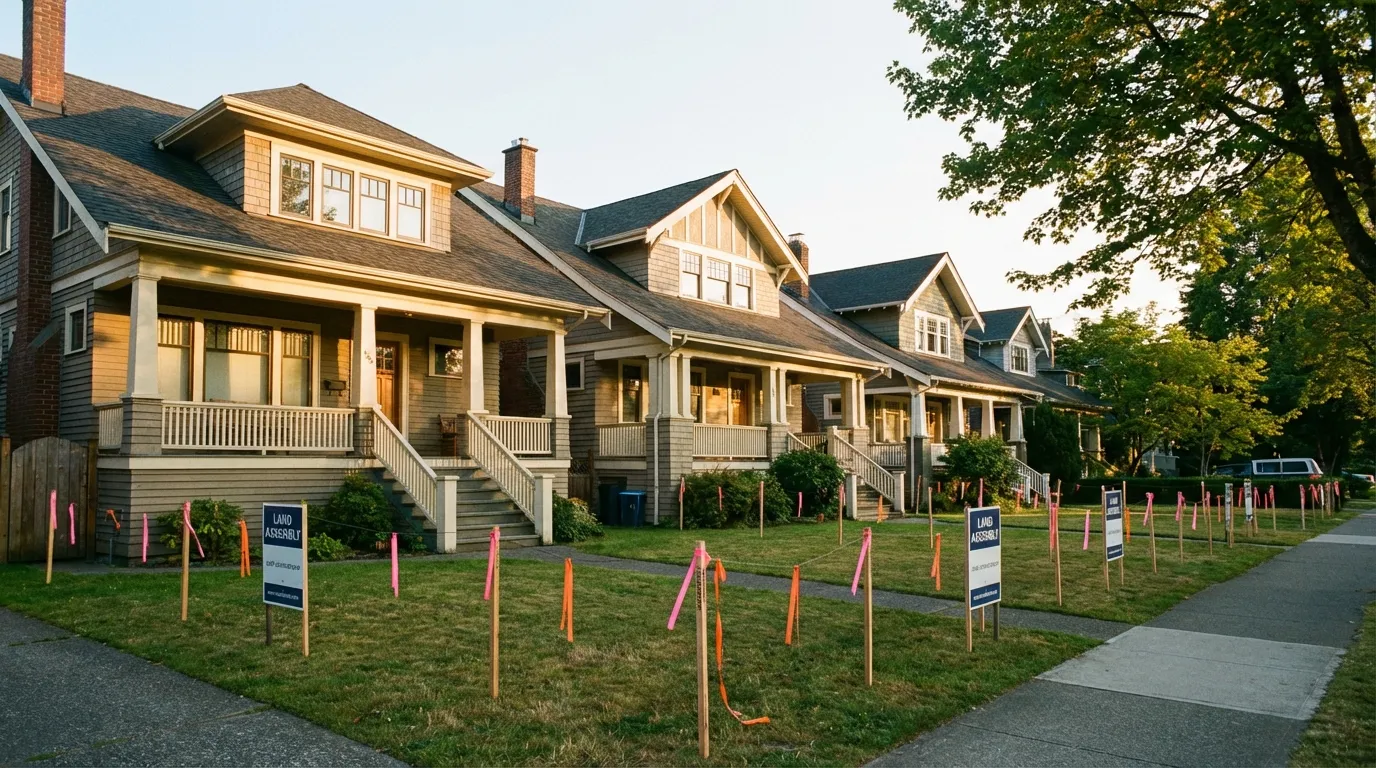
- Assembly Premiums: We are seeing significant premiums for neighbors who sell together to create larger land assemblies, allowing for even denser projects.
2. Impact on Assessment Values
BC Assessment has begun to reflect this “highest and best use” in their valuations.
- Higher Land Assessments: Many homeowners have seen their land assessment jump, even if their house depreciates.
- Tax Implications: This shift can lead to higher property taxes, which can be a burden for long-time owners on fixed incomes.
3. The “Missing Middle” Value Proposition
For the finished products—the new multiplex units—values are establishing themselves.
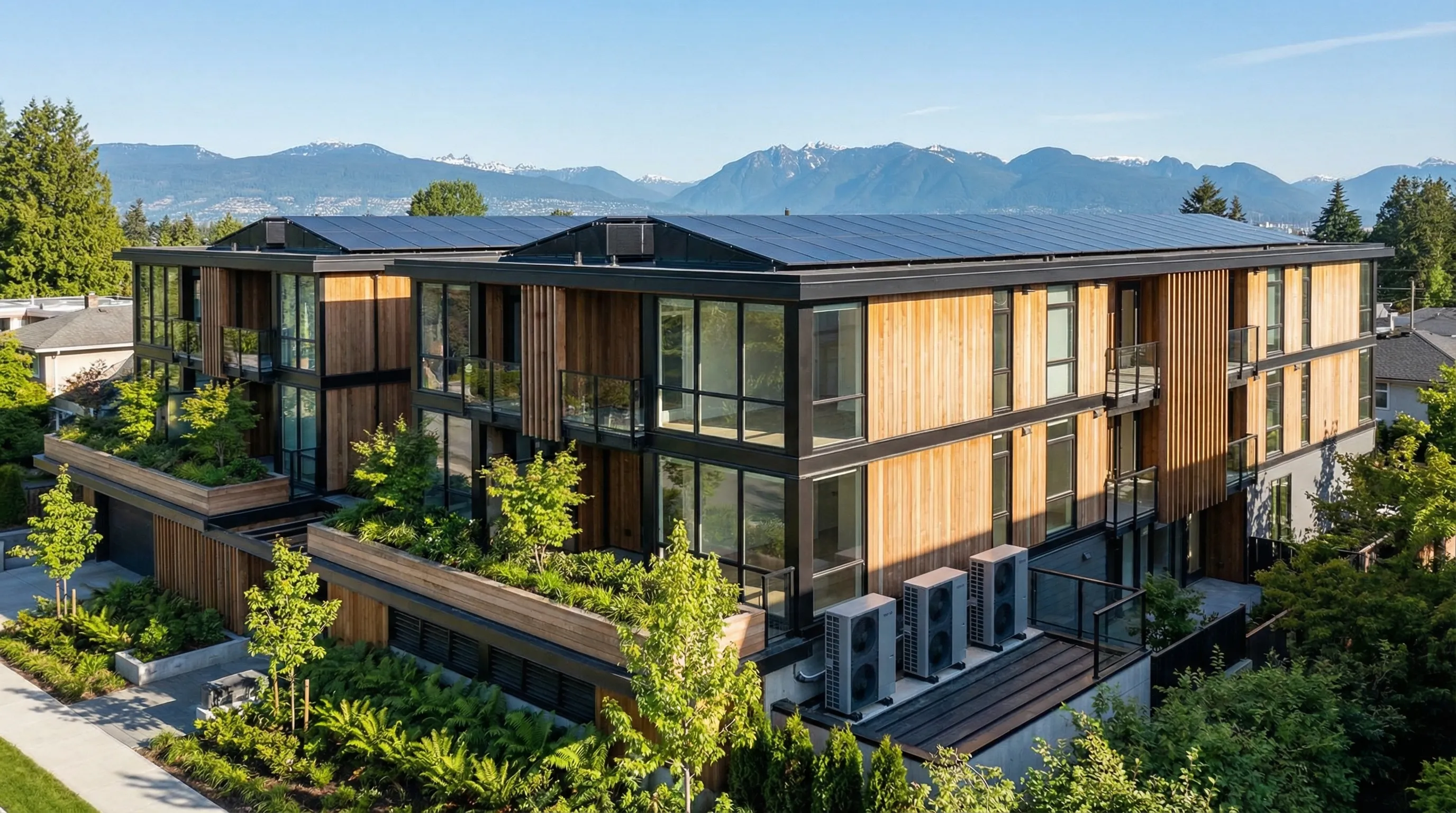
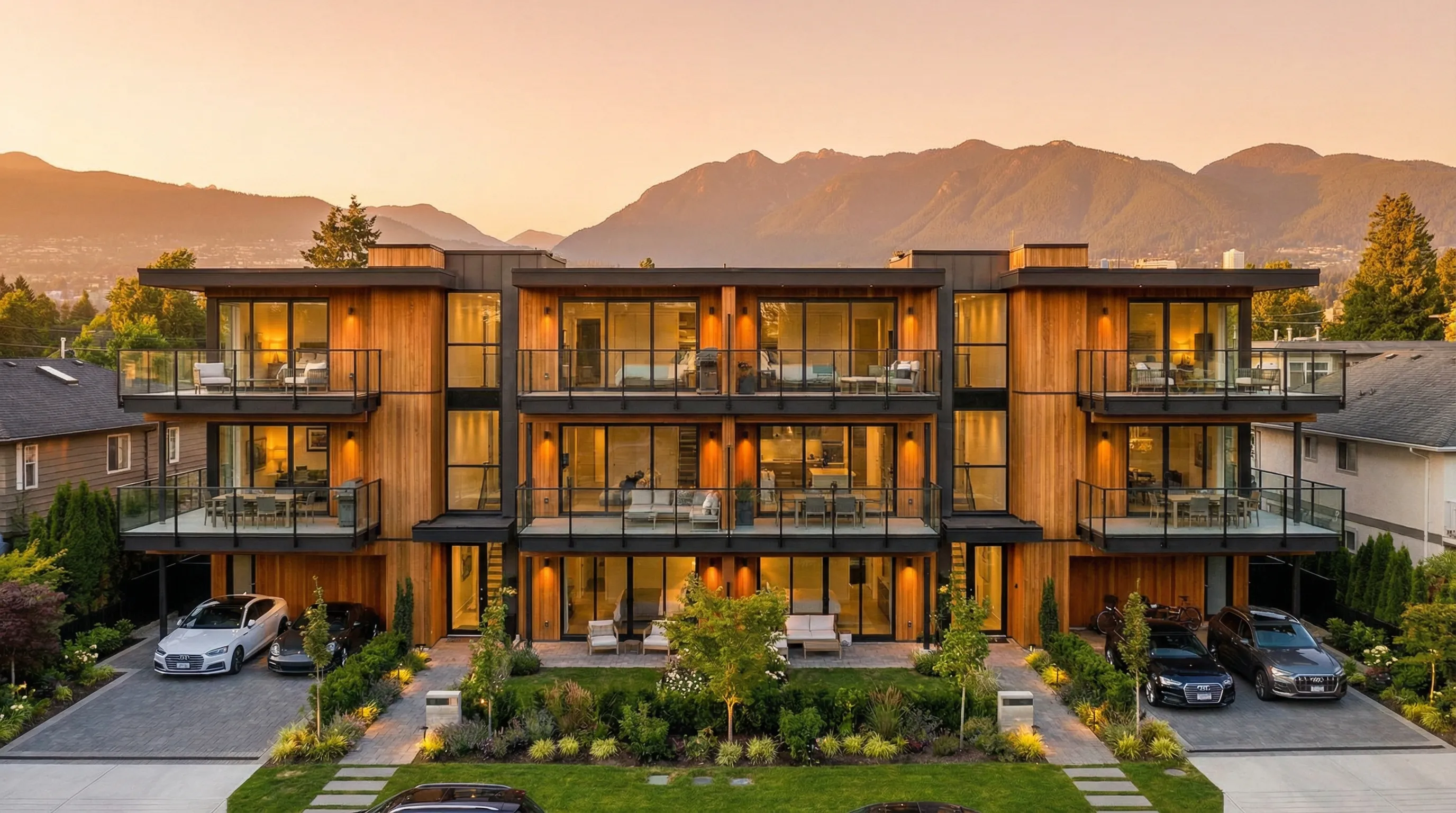
- Price Per Square Foot: New multiplex units are commanding high prices per square foot, often rivaling concrete condos, due to their scarcity and appeal (no elevators, private entrances).
- Comparison to Townhomes: These units effectively compete with townhomes, but often with lower strata fees (or no strata fees in co-ownership models).
4. Neighborhood Transformation
- Visual Changes: Streetscapes are changing. The “bungalow belt” is slowly being replaced by modern, 3-storey multiplex forms.
- Demographic Shift: This density is bringing more young families back into neighborhoods that had become prohibitively expensive for them.
Conclusion
The multiplex rezoning is not just a policy change; it’s a fundamental shift in the economic valuation of Vancouver real estate. Whether you are holding, selling, or looking to buy, understanding this “land math” is crucial.
Related Vancouver real estate pages
Continue with local service pages, neighbourhood guides, and actionable resources related to this topic.